
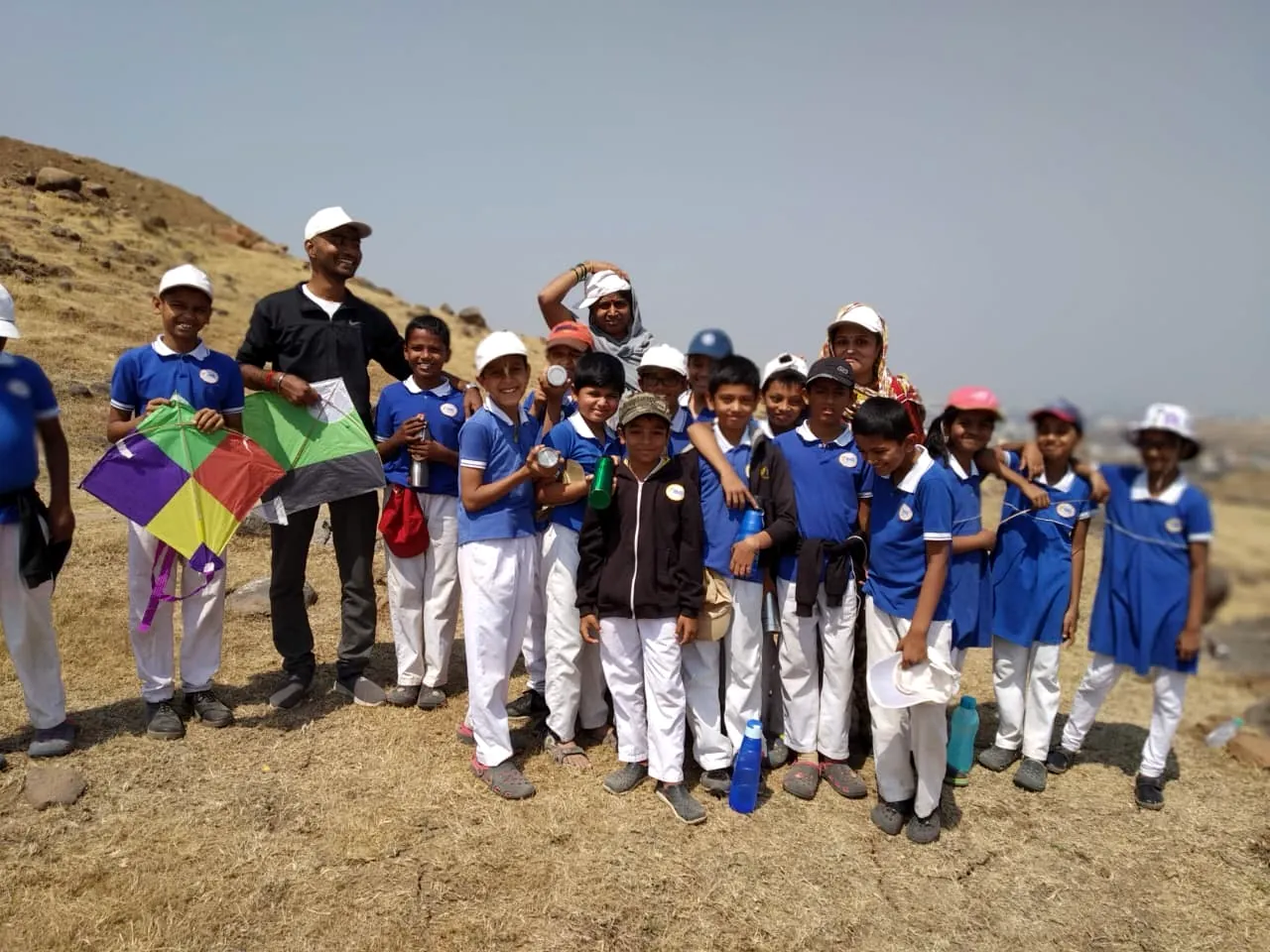
Field Visits
Short, subject-linked visits — one per grade per term — where a topic is met in the place it actually happens.
A field visit is a lesson taught somewhere other than a classroom. Each one is planned around what a class is studying that term, so that children meet a subject where it is practised — in a workshop, a laboratory, a field or a gallery — and not only on the page.
Where the classes go
- Industries and manufacturing units
- Research centres
- Farms
- Museums
- Heritage sites
- Community institutions
Children go with something particular to look for: how a thing is made, how an organisation is run, how a piece of science behaves outside the textbook. They come back with notes, photographs and questions that the next lesson has to answer.
What these days teach is difficult to teach at a desk — close observation, careful questioning, the patience to follow a process through from one end to the other. Meeting the people who do the work counts for as much. An engineer, a curator or a farmer answering a child’s question is often the moment a line of work stops being a word and becomes a possibility.
Part of the year’s plan
Field visits are written into the calendar alongside the syllabus rather than added to it as an outing. They are how the school turns what is read about into something seen, and how children learn to be observant, and at ease, beyond the school gate.